
Why Over 40% of Public School Districts Are Restructuring Middle School Algebra Sequences This Year
Over 40% of public school districts are restructuring middle school algebra sequences this year, a significant shift in educational strategy. This widespread change aims to address long-standing challenges in math proficiency and equity. Understanding these reforms is crucial for parents, educators, and policymakers alike.

3-Year Bachelor's Degree: Pilot Programs Analysis
This article provides a comprehensive analysis of 3-year bachelor's degree pilot programs in accredited US universities. It covers their potential benefits, challenges, and the evolving landscape of higher education, offering essential insights for prospective students and policymakers alike.

Preparing for 2026 GRE: Adaptive Quant Scoring Impacts
The 2026 GRE General Test introduces significant changes, particularly with adaptive section scoring impacting Quant Percentile calculations. Prospective test-takers must understand these shifts to optimize their preparation strategies. This article provides crucial insights into the evolving GRE landscape, offering actionable advice for success.
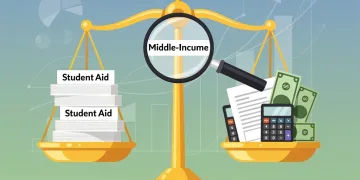
2026 FAFSA Formula Shift: 18% Impact on Middle-Income Aid
The 2026 FAFSA formula shift is poised to significantly alter student aid eligibility. Middle-income families, in particular, face an estimated 18% impact on their potential financial assistance. This comprehensive report details the changes, their implications, and what students and parents need to know now.
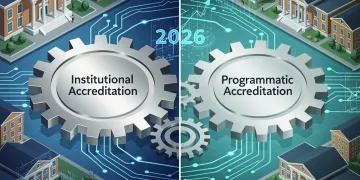
Institutional vs. Programmatic Accreditation Standards 2026
This report details the critical distinctions between institutional and programmatic accreditation standards in 2026, offering crucial insights for students, educators, and institutions. Understanding these differences is vital for evaluating educational quality and ensuring compliance with evolving regulatory landscapes. We provide a clear, factual overview of current developments.

Direct Subsidized Loan Limits 2026: Undergraduate Borrowing Guide
This guide provides crucial insights into the 2026 Direct Subsidized Loan Limits for undergraduates. Learn strategic borrowing techniques, navigate eligibility criteria, and optimize your financial aid planning. Stay informed on upcoming changes to secure your educational future.
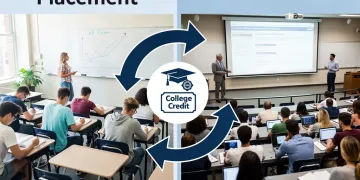
Dual Enrollment vs. AP: Credit Transfer Success Rates
Comparing Dual Enrollment vs. Advanced Placement reveals significant differences for students. This analysis provides a factual overview of credit transfer efficacy, offering crucial insights for college-bound individuals and their families.

Mastering CLEP: Bypass General Education with 30 Credits
Effectively completing 30 CLEP examination credits offers a strategic pathway to bypass introductory general education courses. This approach saves significant time and tuition costs for college students. Understanding the examination process and credit transfer policies is crucial for maximizing this educational advantage. This article details actionable strategies and insights for achieving this academic milestone efficiently.

High School STEM Honors: 4-Year Coursework Plan Guide
Effectively structuring a 4-year high school coursework plan is crucial for students aiming to meet national STEM honors criteria. This comprehensive guide outlines strategic course selection, emphasizes advanced placement, and details the importance of impactful extracurriculars. Understanding these elements is key to achieving academic distinction in science, technology, engineering, and mathematics.

Early Childhood Education Reform 2026: Federal Initiatives & 5-Year Outlook
Dive into the critical developments shaping early childhood education reform in 2026. This comprehensive report examines federal initiatives, their potential impact over the next five years, and what these changes mean for children, families, and educators across the United States.