Mastering CLEP: Bypass General Education with 30 Credits
Anúncios
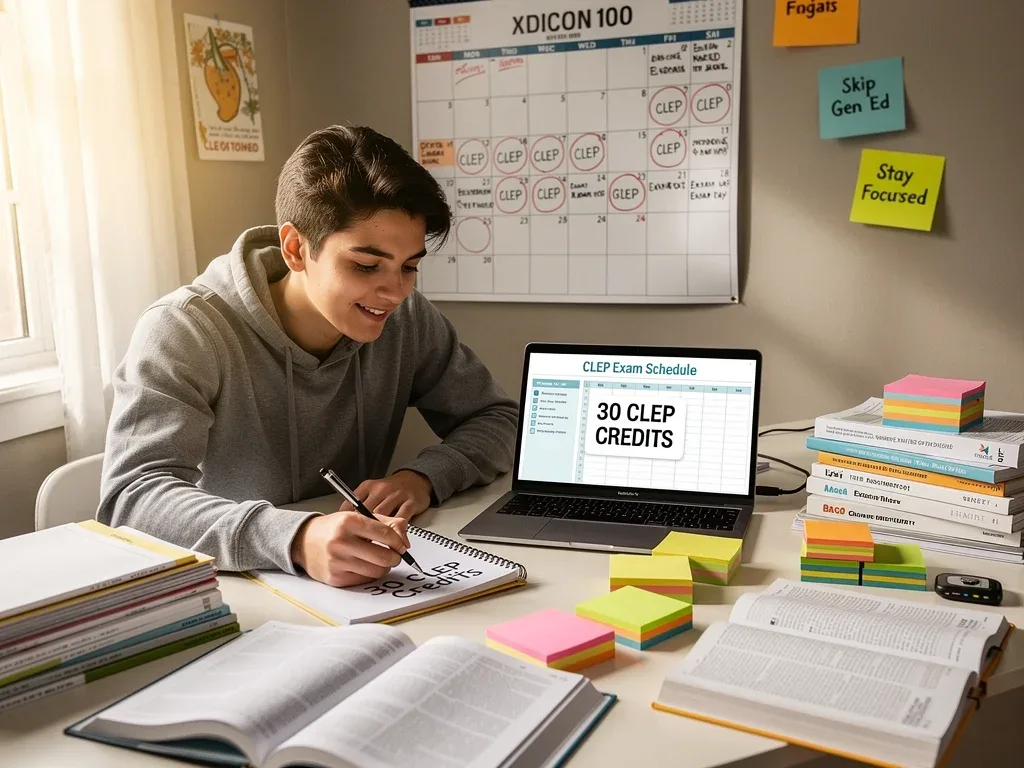
Effectively completing 30 CLEP examination credits offers a strategic pathway to bypass introductory general education courses. This approach saves significant time and tuition costs for college students. Understanding the examination process and credit transfer policies is crucial for maximizing this educational advantage. This article details actionable strategies and insights for achieving this academic milestone efficiently.
Strategies to Complete 30 CLEP Examination Credits and Bypass Introductory General Education Courses are gaining significant traction among students seeking to accelerate their academic journeys and reduce educational expenses. This innovative approach allows individuals to demonstrate college-level knowledge through standardized tests, effectively earning credits without traditional classroom enrollment. This piece explores the mechanisms behind this strategy, offering verified analysis and practical steps for successful implementation. Understanding the landscape of CLEP exams and institutional acceptance policies is paramount for those aiming to leverage this powerful tool.
Understanding the CLEP Framework and Credit Earning Potential
The College-Level Examination Program (CLEP) offers examinations in a wide range of subjects, allowing students to earn college credit for knowledge acquired outside of a traditional classroom setting. These exams are developed by the College Board, the same organization behind the SAT and AP exams, ensuring a consistent standard of academic rigor. Successfully passing a CLEP exam can translate into college credits, contingent upon the policies of the accepting institution. Many universities and colleges across the United States recognize CLEP scores for credit, potentially allowing students to bypass specific introductory courses. For those aiming to complete CLEP 30 credits bypass general education requirements, a clear understanding of which exams align with their degree plan is the first critical step.
Navigating University Credit Policies
Each institution sets its own policies regarding CLEP credit acceptance, including minimum passing scores and the maximum number of credits that can be earned through examination. It is imperative for students to consult their prospective or current university's academic catalog or advising office before embarking on their CLEP journey. Some universities may accept CLEP credits only for elective courses, while others allow them to fulfill core general education requirements. The specific score needed to earn credit can also vary significantly between institutions, making early research indispensable. Verifying these policies beforehand prevents wasted effort and ensures that the CLEP 30 credits bypass strategy aligns with academic goals.
- Consult your academic advisor or registrar's office for specific CLEP credit policies.
- Review the university's official catalog for accepted CLEP exams and minimum score requirements.
- Understand the maximum number of CLEP credits your institution will accept towards your degree.
The flexibility offered by CLEP exams can be a game-changer for students, providing a pathway to potentially shave off a semester or more from their degree program. This not only accelerates graduation but also translates into substantial savings on tuition and associated fees.
Anúncios
Strategic Planning for 30 CLEP Credits: Identifying Key Exams
Successfully accumulating 30 CLEP examination credits requires a well-thought-out plan, starting with the identification of exams that align with general education requirements. Most general education curricula include foundational courses in areas such as English composition, mathematics, humanities, social sciences, and natural sciences. Students should analyze their degree plan and identify which of these introductory courses can be satisfied by CLEP exams. Focusing on subjects where prior knowledge or experience exists often leads to higher success rates. This targeted approach ensures that every CLEP exam taken contributes directly to the goal of achieving CLEP 30 credits bypass.
Popular CLEP Exams for General Education Fulfillment
Certain CLEP exams are frequently utilized to satisfy general education requirements due to their broad applicability across various degree programs. These often include College Composition, College Mathematics, American History I & II, Principles of Microeconomics, and Introduction to Psychology. These exams cover foundational knowledge that many students acquire through high school coursework or independent study, making them excellent candidates for credit by examination. Prioritizing these commonly accepted exams can streamline the process of accumulating the necessary 30 credits. Researching the content outlines for these exams on the College Board website provides a clear roadmap for study and preparation.
- College Composition: Often satisfies English composition requirements.
- College Mathematics: Can fulfill basic math requirements.
- American History I & II: Commonly used for history or humanities credits.
- Principles of Microeconomics/Macroeconomics: Satisfies social science requirements.
- Introduction to Psychology/Sociology: Also popular choices for social science credits.
By strategically selecting exams, students can effectively target a significant portion of their general education requirements. This tactical selection is a cornerstone of any effective strategy to complete 30 CLEP examination credits and bypass introductory general education courses.
Effective Study Techniques and Resources for CLEP Exams
Preparing for CLEP exams demands a disciplined and efficient study approach. While the exams cover college-level material, numerous resources are available to help students master the content and achieve passing scores. Official CLEP study guides, practice tests, and online courses are invaluable tools for understanding the exam format and content. Utilizing a combination of these resources can significantly enhance preparedness. Consistent study habits and a structured schedule are critical for anyone aiming to successfully complete CLEP 30 credits bypass.
Leveraging Official Study Materials
The College Board offers official CLEP study guides for each exam, which include detailed content outlines, sample questions, and test-taking tips. These guides are often the most reliable resource for understanding what to expect on test day. Many third-party providers also offer study materials, but it is essential to ensure they align with the current exam specifications. Cross-referencing with official College Board resources is always a good practice. Using practice tests to identify areas of weakness and strength allows for targeted study, optimizing the use of preparation time.
Furthermore, online learning platforms and educational websites frequently provide free or low-cost resources that supplement official study guides. These can include video lectures, flashcards, and community forums where students can share tips and ask questions. The key is to select resources that match individual learning styles and provide comprehensive coverage of the exam material. Engaging with diverse study methods can solidify understanding and boost confidence.
The Financial and Time-Saving Benefits of CLEP
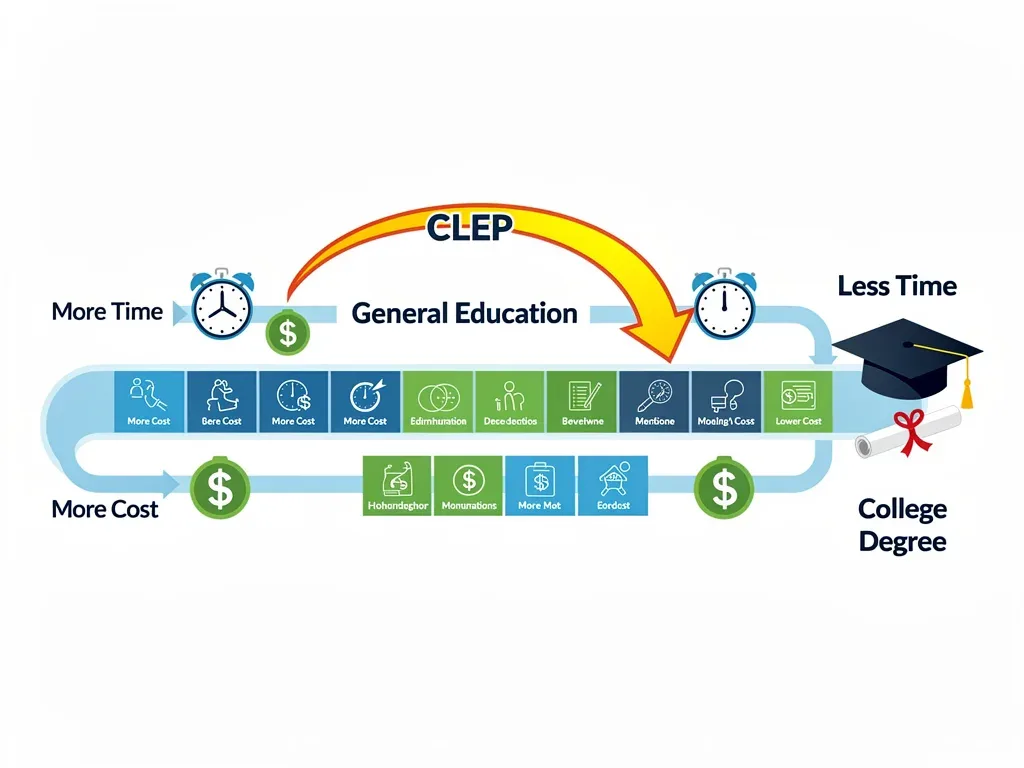
Beyond academic acceleration, one of the most compelling reasons to pursue CLEP 30 credits bypass is the substantial financial savings. The cost of a single CLEP exam is significantly lower than the tuition for a typical three-credit college course. When multiplied across 30 credits, the difference in cost becomes immense, potentially saving students thousands of dollars. This financial advantage makes higher education more accessible and less burdensome. These savings extend beyond tuition, encompassing reduced costs for textbooks, transportation, and living expenses associated with longer enrollment periods.
Anúncios
Calculating Your Potential Savings
To quantify the potential savings, consider the average cost of a three-credit course at your institution versus the fee for one CLEP exam. For example, if a three-credit course costs $1,000 and a CLEP exam costs $89, passing ten CLEP exams for 30 credits could save you over $9,000 in tuition alone. This calculation often does not even include the avoided costs of textbooks, which can run into hundreds of dollars per course. The economic benefit is a powerful motivator for many students. Furthermore, completing general education requirements faster can allow students to enter their major-specific courses sooner, potentially leading to earlier graduation and entry into the workforce.
The time saved is equally valuable. Bypassing introductory courses means students can focus on advanced subjects relevant to their career aspirations much earlier in their academic careers. This accelerated path can be particularly beneficial for non-traditional students or those looking to re-enter the workforce quickly. The efficiency of earning CLEP 30 credits bypass translates directly into a more streamlined and cost-effective educational experience.
Overcoming Challenges and Maximizing Success
While the benefits of using CLEP exams are clear, students may encounter challenges such as exam anxiety, difficulty in self-studying, or institutional resistance. Addressing these proactively is key to success. Developing effective test-taking strategies, utilizing study groups, and seeking academic support can mitigate common hurdles. Persistence and a clear understanding of one's learning style are invaluable assets. Successfully navigating these challenges ensures the goal of CLEP 30 credits bypass remains achievable.
Strategies for Test-Taking and Retention
Effective test-taking involves more than just knowing the material; it also includes understanding the exam format and managing time efficiently. Practice exams are crucial for familiarizing oneself with the question types and pacing. Techniques such as active recall, spaced repetition, and creating mnemonics can significantly improve information retention for the long term. Avoid cramming and instead opt for consistent, spaced-out study sessions. On test day, reading instructions carefully, managing time per question, and eliminating obviously incorrect answers are vital to maximizing your score.
Additionally, maintaining a healthy lifestyle, including adequate sleep and nutrition, can dramatically impact cognitive function and performance on exam day. Stress management techniques, such as mindfulness or short breaks during study, are also beneficial. Approaching CLEP exams with a holistic strategy, combining academic preparation with personal well-being, increases the likelihood of successfully earning CLEP 30 credits bypass.
The Long-Term Impact of Earning CLEP Credits
The decision to pursue CLEP 30 credits bypass extends far beyond immediate cost and time savings; it can have a profound long-term impact on a student's academic and professional trajectory. Graduating earlier means entering the job market sooner, potentially gaining a head start in career development. This early entry can lead to quicker professional growth, higher earning potential over time, and reduced student loan debt. The experience of independently preparing for and passing CLEP exams also cultivates valuable self-discipline and study skills. These skills are transferable and highly beneficial for future academic pursuits and professional challenges.
Enhanced Academic Flexibility and Career Opportunities
By fulfilling general education requirements early, students gain greater flexibility in their course selection during later years. This allows them to delve deeper into their major, pursue minors, or even explore internships and study abroad opportunities without the pressure of outstanding core requirements. This academic freedom can lead to a more enriched college experience and better preparation for specialized careers. The self-directed learning inherent in CLEP preparation also demonstrates initiative to future employers. This initiative is a highly valued trait in today's competitive job market, showcasing a proactive approach to education and personal development.
Moreover, the confidence gained from successfully passing multiple CLEP exams can empower students to tackle more challenging academic work and pursue advanced degrees. The ability to manage independent study and achieve measurable results is a testament to one's intellectual capabilities. Ultimately, leveraging CLEP 30 credits bypass is an investment in a more efficient, cost-effective, and empowering educational journey.
CLEP for Non-Traditional Students and Career Changers
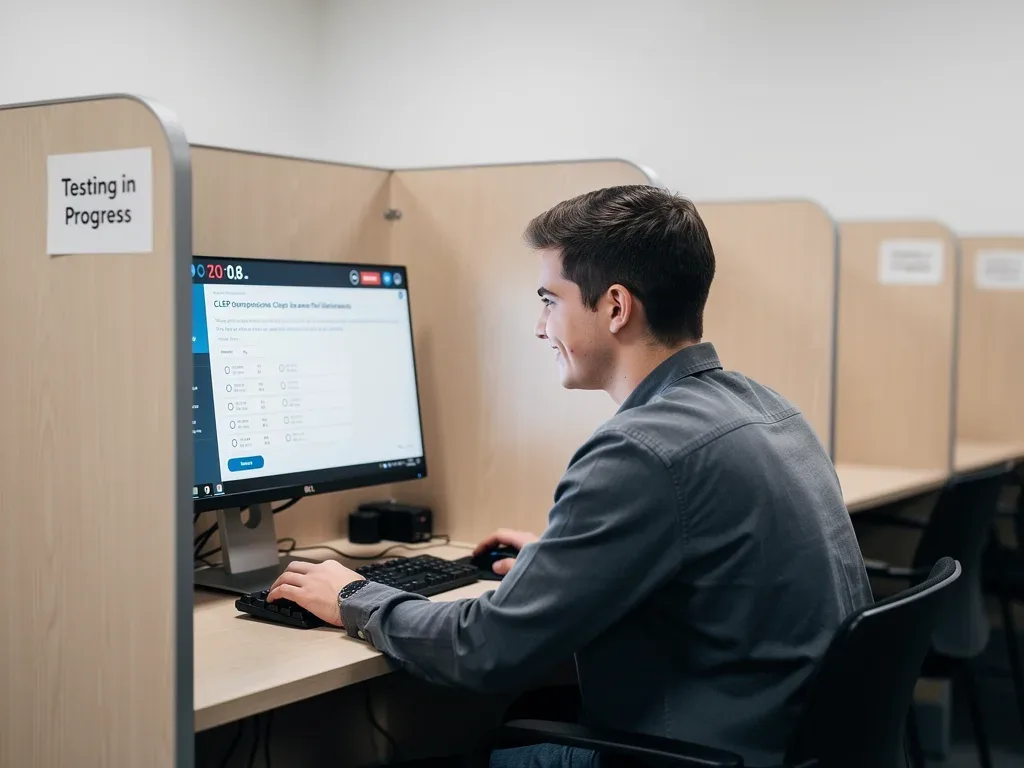
CLEP exams offer an exceptionally valuable pathway for non-traditional students, including adult learners, military personnel, and career changers, to re-enter academia or pivot professionally. Many of these individuals already possess a wealth of knowledge from life experiences or previous work, which can be validated through CLEP. This allows them to avoid redundant coursework and focus on subjects directly relevant to their new goals. The flexibility of self-study and remote testing options makes CLEP particularly appealing for those with existing commitments. For these demographics, achieving CLEP 30 credits bypass can be the critical factor in making higher education a feasible and attractive option.
Accelerating Degree Completion for Adult Learners
Adult learners often face time constraints and financial pressures that can make pursuing a degree challenging. CLEP provides a way to significantly shorten the time to graduation, reducing the overall cost and commitment required. By converting existing knowledge into college credits, adult students can quickly move past introductory subjects and into their chosen field of study. This accelerates their progress towards a degree, allowing them to achieve their educational and career aspirations sooner. The ability to earn CLEP 30 credits bypass is a powerful incentive for adults returning to college, demonstrating a clear return on their investment of time and effort.
For military personnel, CLEP exams are often free, further enhancing their appeal as a credit-earning mechanism. This benefit, combined with the ability to study and test from various locations, makes CLEP an ideal solution for service members seeking to advance their education. Career changers can also use CLEP to quickly acquire foundational knowledge in a new field, demonstrating competency without the need for extensive traditional coursework, thereby smoothing their transition into a new profession.
| Key Point | Brief Description |
|---|---|
| Credit Acceptance | University policies vary; verify accepted exams and minimum scores. |
| Exam Selection | Choose exams aligning with general education requirements for maximum impact. |
| Study Resources | Utilize official guides and practice tests for effective preparation. |
| Financial Savings | Significantly reduce tuition and associated costs compared to traditional courses. |
Frequently Asked Questions About CLEP Credits
How many CLEP exams are typically needed to earn 30 credits?▼Most CLEP exams are worth 3 college credits, meaning you would typically need to pass 10 CLEP exams to accumulate 30 credits. Some exams, like College Composition, can be worth up to 6 credits, potentially reducing the number of exams required.
Do all universities accept CLEP credits?▼While a large number of universities accept CLEP credits, acceptance policies vary widely. It is crucial to check with your specific institution's admissions or registrar's office to confirm their policies on CLEP exam acceptance, minimum scores, and how credits are applied.
What are the most common CLEP exams for general education?▼Popular CLEP exams for general education include College Composition, College Mathematics, American History I & II, Principles of Microeconomics, and Introduction to Psychology. These exams often align with foundational requirements across various degree programs.
Is there a time limit for using CLEP credits?▼Generally, CLEP credits do not expire, but individual institutions may have policies regarding the age of credits they will accept. It's always best to confirm with your target university about any potential limitations on how old your CLEP scores can be for credit transfer.
Can CLEP credits impact my GPA?▼No, CLEP credits are typically awarded as pass/fail and do not factor into your GPA. They count towards fulfilling course requirements and accumulating total credits, but they do not affect your academic standing in terms of grade point average.
Looking Ahead: The Future of Credit by Examination
The landscape of higher education is continually evolving, with credit by examination programs like CLEP playing an increasingly vital role. As institutions seek innovative ways to make education more accessible and affordable, the strategies to complete 30 CLEP examination credits and bypass introductory general education courses will likely become even more integrated into standard academic planning. Students entering college in the coming years will find these pathways even more streamlined, with greater awareness and support from educational advisors. This trend underscores a shift towards recognizing diverse learning pathways and valuing demonstrated competency over traditional seat time.