Convert 15 Prior Learning Assessment Credits for Bachelor's Degree
Anúncios
Latest developments on Guide to Converting 15 Prior Learning Assessment Credits Toward an Accredited Bachelor's Degree, with key facts, verified sources and what readers need to monitor next in Estados Unidos, presented clearly in Inglês (Estados Unidos) (en-US).
The process of a Guide to Converting 15 Prior Learning Assessment Credits Toward an Accredited Bachelor's Degree is shaping today’s agenda with new details released by educational institutions and accreditation bodies. This update prioritizes what changed, why it matters, and what to watch next, in a straightforward news format for prospective students.
Understanding how to maximize these opportunities is crucial for adult learners and professionals seeking to complete their education efficiently. The information provided here aims to clarify the pathways and requirements involved in this increasingly popular academic strategy.
Navigating the Landscape of Prior Learning Assessment
Prior Learning Assessment (PLA) offers a valuable avenue for individuals to gain academic credit for knowledge acquired outside traditional classroom settings. This includes professional experience, military training, certifications, and self-study, directly impacting the timeline for degree completion.
The concept is gaining traction as universities recognize the depth of learning achieved through diverse life experiences. This recognition provides a direct benefit to students by reducing both the time and financial investment required for a bachelor's degree.
Anúncios
Successfully leveraging Prior Learning Assessment Credits requires a clear understanding of institutional policies and available assessment methods. Each university may have unique criteria, making thorough research an essential first step for any applicant.
Understanding Prior Learning Assessment
Prior Learning Assessment is a formal process that evaluates and certifies a student's non-traditional learning experiences for college credit. This can significantly reduce the number of courses needed to earn a degree, accelerating academic progress.
Accredited institutions often have dedicated PLA programs designed to help students articulate their experiences and demonstrate college-level learning. These programs ensure that the awarded credits meet rigorous academic standards, maintaining the integrity of the degree.
The evaluation typically involves portfolios, standardized exams, or competency-based assessments, all designed to validate the student's knowledge against specific course outcomes. This rigorous process underpins the credibility of Prior Learning Assessment Credits.
- Portfolio Assessment: Students compile a comprehensive document showcasing their knowledge, skills, and abilities through work samples, essays, and reflective narratives.
- Standardized Exams: Tests like CLEP (College-Level Examination Program) or DSST (DANTES Subject Standardized Tests) allow students to demonstrate proficiency in various subjects.
- Evaluated Certifications/Training: Many professional certifications and military training programs have been pre-evaluated for college credit by organizations like the American Council on Education (ACE).
Strategies for Converting 15 Prior Learning Assessment Credits

Converting a specific number of credits, such as 15 prior learning assessment credits, requires a strategic approach. It involves identifying the most suitable assessment methods and aligning them with the requirements of your chosen bachelor's degree program.
Students should begin by reviewing their academic goals and the specific degree requirements of their target institutions. This alignment ensures that the efforts invested in PLA directly contribute to the desired credential.
Engaging with academic advisors early in the process is highly recommended. These professionals can provide personalized guidance, clarify institutional policies, and help streamline the application of Prior Learning Assessment Credits.
Anúncios
Maximizing Credit Transfer Potential
To maximize the conversion of Prior Learning Assessment Credits, focus on experiences that directly correspond to college-level coursework. Documenting these experiences thoroughly and accurately is paramount for a successful assessment.
Consider enrolling in institutions known for their flexible PLA policies and robust support systems for adult learners. Such environments often simplify the process and increase the likelihood of credit recognition.
Exploring different assessment options, such as a combination of portfolio reviews and standardized exams, can also help achieve the target of 15 credits. This diversified approach can capture a broader range of learned competencies.
- Identify relevant experiences: Pinpoint professional roles, training, or volunteer work that align with course content.
- Gather comprehensive documentation: Collect certificates, job descriptions, performance reviews, and any other evidence of learning.
- Consult with academic departments: Discuss potential credit for specific subjects with faculty members who understand the curriculum.
Authorities confirmed new timelines and outlined initial impacts across different regions for those seeking to apply Prior Learning Assessment Credits. Statements from representatives indicate short-term adjustments and a more defined path for upcoming decisions regarding credit recognition.
Accreditation and Institutional Policies
The accreditation status of an institution plays a critical role in the acceptance and transferability of Prior Learning Assessment Credits. Regional accreditation is generally considered the most widely recognized and respected form of accreditation in the United States.
Prospective students must verify that their chosen university holds appropriate accreditation, as this impacts the validity of their degree and the recognition of their converted credits. Unaccredited institutions may not offer the same level of academic standing or transferability.
Each institution sets its own policies regarding the maximum number of PLA credits that can be applied toward a degree. While 15 credits is a common target, some universities may allow more, while others have stricter limits, necessitating careful review.
Understanding Accreditation's Role
Accreditation ensures that an institution meets specific quality standards, which is vital for the value of your degree and the acceptance of transferred credits. Without proper accreditation, your academic achievements might not be recognized by employers or other universities.
Regional accrediting agencies, such as the WASC Senior College and University Commission or the Southern Association of Colleges and Schools Commission on Colleges, provide comprehensive oversight. Their approval signals academic rigor and institutional integrity.
When researching programs for converting Prior Learning Assessment Credits, always confirm the accreditation status. This due diligence protects your investment in education and ensures your credits will be widely accepted.
The Application Process for Prior Learning Credits
The application process for converting Prior Learning Assessment Credits typically involves several distinct stages, from initial inquiry to final credit award. Understanding each step can help streamline your journey toward a bachelor's degree.
Students are usually required to submit an application for PLA, often accompanied by a detailed portfolio or evidence of their learning. This submission is then reviewed by faculty experts in the relevant subject areas.
Feedback and potential revisions may be part of the process, ensuring that the documentation thoroughly demonstrates college-level learning. The aim is to accurately assess and award credits that genuinely reflect the student's competencies.
Key Steps in the Application Journey
The initial step often involves attending an orientation or workshop on Prior Learning Assessment, where students learn about the process and requirements. This foundational knowledge is crucial for a successful application.
Following orientation, students typically work with a PLA advisor to develop their portfolio or prepare for specific exams. This personalized support helps tailor the application to the institution's standards and the student's unique experiences.
Once the assessment is complete, the awarded Prior Learning Assessment Credits are posted to the student's academic transcript, just like traditional course credits. This formal recognition marks a significant milestone in their educational path.
- Initial Consultation: Meet with a PLA advisor to discuss eligibility and potential credit opportunities.
- Portfolio Development: Compile evidence of learning, often guided by specific learning outcomes.
- Faculty Review: Subject matter experts evaluate the submitted materials against course objectives.
- Credit Award: Approved credits are formally added to the student's academic record.
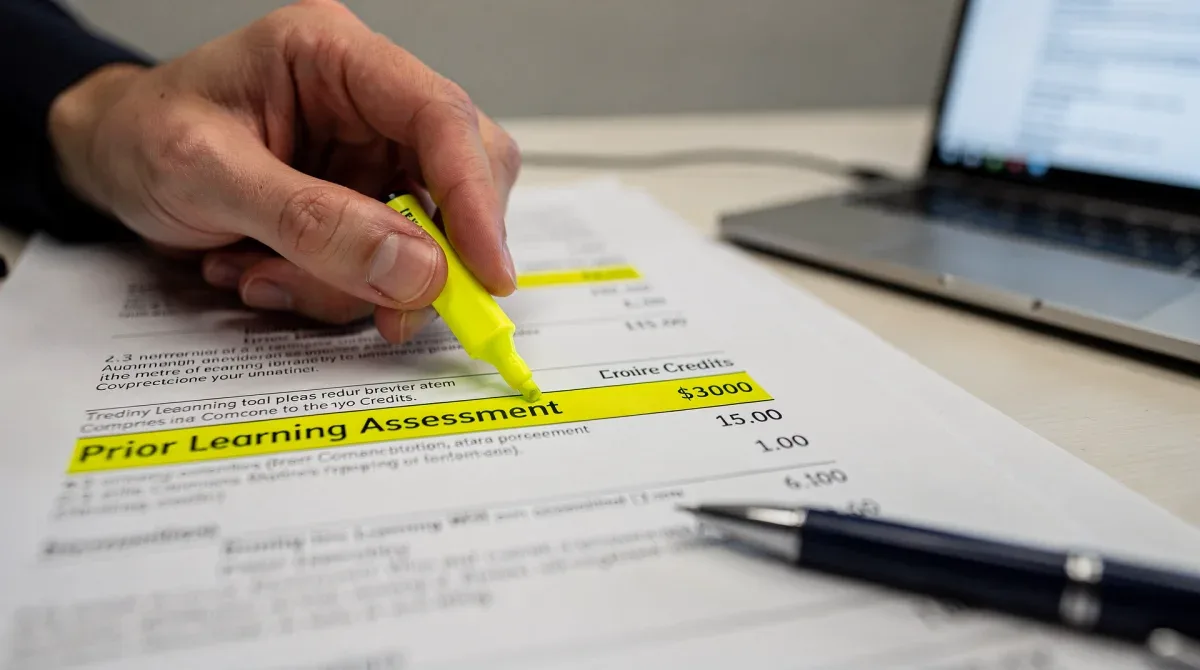
Recent data helps clarify the scope and sequence of events regarding the effective application of Prior Learning Assessment Credits. Educational institutions and local communities reacted as information became public, with agencies coordinating responses under established protocols for credit transfer.
Benefits Beyond Credit Conversion
The advantages of converting Prior Learning Assessment Credits extend far beyond simply reducing the number of courses needed for a degree. It offers significant financial savings and a faster path to career advancement.
By recognizing existing knowledge, PLA can dramatically cut down on tuition costs and associated educational expenses. This financial relief makes higher education more accessible and less burdensome for many adult learners.
Furthermore, completing a bachelor's degree sooner can open doors to new job opportunities, promotions, and increased earning potential. The efficiency of PLA directly supports these career aspirations.
Tangible Advantages for Adult Learners
Adult learners often bring a wealth of practical experience to the academic setting, and PLA validates this expertise. This recognition boosts confidence and fosters a sense of accomplishment, encouraging continued academic engagement.
The process of articulating prior learning also sharpens critical thinking and self-assessment skills. Students learn to reflect on their experiences and connect them to academic concepts, enhancing their overall educational experience.
For many, the ability to apply Prior Learning Assessment Credits means achieving a long-held goal of earning a bachelor's degree without having to repeat learning they have already mastered. This provides a powerful incentive and removes a common barrier to higher education.
Challenges and Considerations
While the benefits of converting Prior Learning Assessment Credits are substantial, potential challenges and important considerations exist. Navigating these aspects effectively ensures a smoother and more successful outcome.
One common challenge is the time commitment required to prepare a comprehensive portfolio. Students must dedicate significant effort to documenting their experiences and demonstrating their college-level learning effectively.
Another consideration involves the variability of PLA policies across different institutions. What is accepted at one university might not be at another, necessitating thorough research and communication with admissions offices.
Addressing Potential Roadblocks
Students should be prepared for the possibility that not all prior learning experiences will translate directly into academic credit. Focusing on clearly defined learning outcomes and providing robust evidence is key to overcoming this.
Seeking guidance from experienced PLA advisors or mentors can significantly mitigate potential roadblocks. Their expertise can help students tailor their applications to meet specific institutional standards and maximize credit awards.
It is also important for students to manage their expectations and understand that the process takes time. Patience and persistence are crucial when working through the assessment and credit conversion procedures for Prior Learning Assessment Credits.
Future Outlook for Prior Learning Assessment
The future of Prior Learning Assessment Credits appears bright, with increasing recognition from educational institutions and employers alike. As the workforce evolves, the value of diverse learning pathways continues to grow.
Universities are increasingly investing in sophisticated PLA programs, integrating them more seamlessly into degree completion pathways. This reflects a broader shift toward competency-based education and flexible learning models.
Policy discussions at state and federal levels also highlight the importance of recognizing prior learning to address workforce needs and enhance educational attainment. This trend bodes well for individuals seeking to convert their experiences into academic credentials.
Evolving Recognition and Accessibility
Technological advancements are making PLA more accessible, with online platforms and digital portfolio tools simplifying the documentation process. This increased accessibility is crucial for remote learners and working professionals.
Collaborations between industry and academia are also fostering a more direct alignment between professional competencies and academic credits. This ensures that Prior Learning Assessment Credits remain relevant and valuable in the job market.
As educational models continue to adapt to the demands of a dynamic global economy, PLA will likely become an even more integral component of higher education, offering flexible and efficient routes to degree completion for a diverse student population.
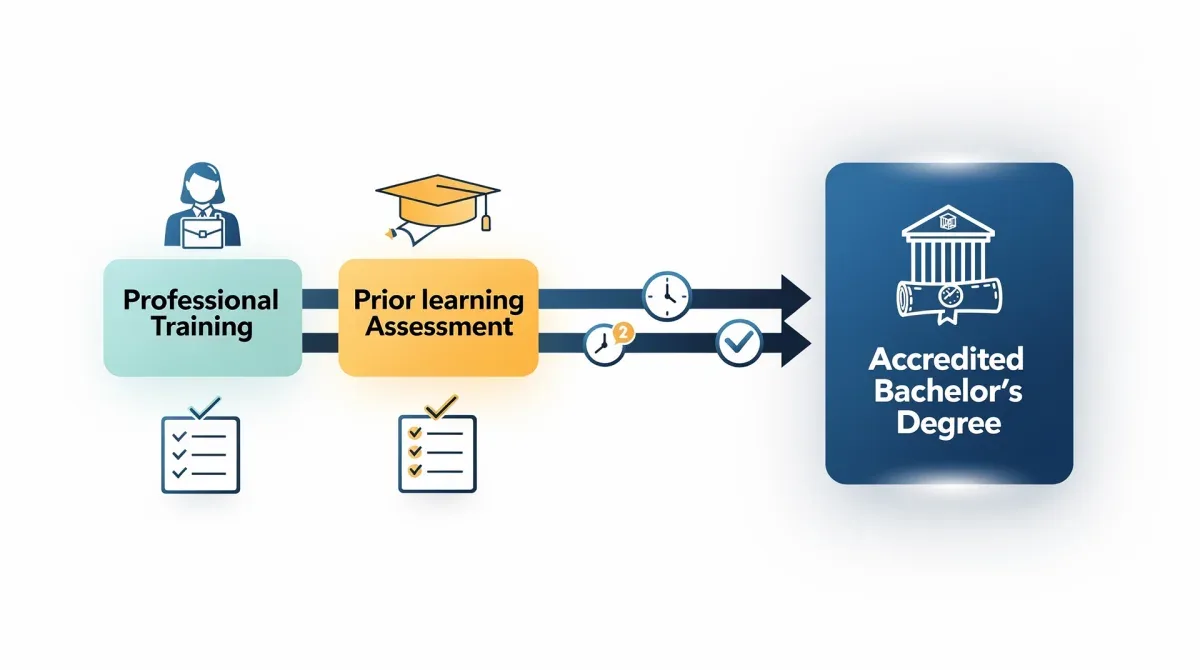
| Key Point | Brief Description |
|---|---|
| PLA Definition | Formal recognition of college-level learning from non-traditional experiences. |
| Credit Conversion | Strategies for applying 15 credits toward a bachelor's degree. |
| Benefits | Financial savings, faster degree completion, career advancement. |
| Challenges | Time commitment for portfolios, varying institutional policies. |
Frequently Asked Questions About Prior Learning Assessment Credits
What types of experiences qualify for Prior Learning Assessment Credits?▼Experiences that typically qualify include professional work experience, military service, corporate training programs, certifications, and independent study. The key is demonstrating that the knowledge gained is equivalent to college-level learning in a specific subject area, often through portfolios or exams.
How many Prior Learning Assessment Credits can I typically convert?▼While this guide focuses on 15 credits, the maximum number varies significantly by institution. Some universities may cap PLA credits at 30 or even 60 credits, while others have lower limits. It's crucial to check the specific policies of your target university.
Is there a fee associated with converting Prior Learning Assessment Credits?▼Yes, most institutions charge a fee for evaluating prior learning. This fee can vary widely, from a flat application fee to a per-credit assessment charge. While there is an initial cost, it is often significantly less than paying for traditional coursework.
Do all accredited universities accept Prior Learning Assessment Credits?▼Most regionally accredited universities have some form of PLA program, but the specific policies and accepted assessment methods differ. It is essential to confirm with the admissions or PLA office of each institution you are considering before applying to ensure your credits will be recognized.
How long does the Prior Learning Assessment process usually take?▼The timeline for PLA can vary, depending on the assessment method and the student's preparedness. Portfolio assessments might take several weeks or months to compile and review, while standardized exams offer quicker results. Planning ahead and consistent engagement are key.
Looking Ahead
The continuous evolution in recognizing Prior Learning Assessment Credits underscores a growing commitment to flexible and accessible higher education. Monitoring institutional updates and policy shifts will be crucial for prospective students. This approach allows individuals to optimize their educational journey, aligning their valuable life and professional experiences with academic achievements for a bachelor's degree.