FTC Finalizes 'Click to Cancel' Rule: What You Need to Know
Anúncios
Tired of jumping through endless hoops just to end an unwanted monthly membership? The Federal Trade Commission's 'Click to Cancel' Rule was designed to put a stop to manipulative sign-up traps and streamline subscription exits.
By banning deceptive dark patterns, this landmark consumer protection measure aimed to make opting out of recurring charges just as simple as enrolling. However, recent federal court challenges and ongoing regulatory restarts mean the legal landscape is shifting fast for both shoppers and businesses.
Discover how these federal and state auto-renewal standards actually protect your wallet right now. Learn what steps you need to take today to stop unwanted billing without the headache.
Understanding the New FTC 'Click to Cancel' Rule
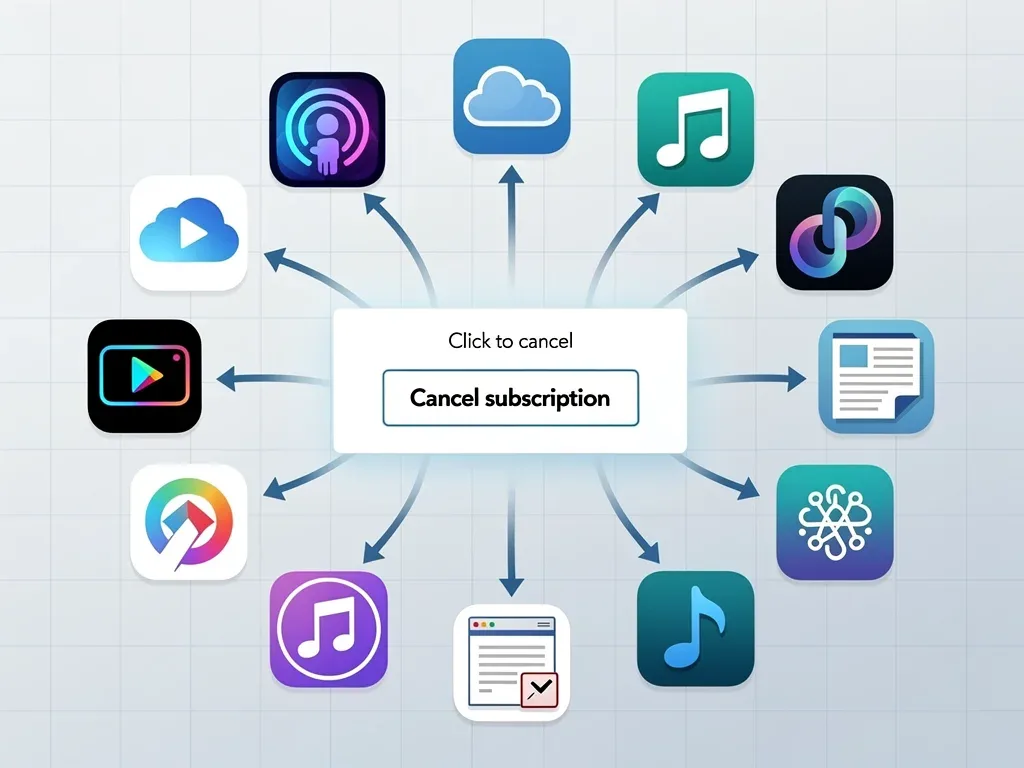
The FTC's 'Click to Cancel' rule mandates that businesses offering subscription services must provide a cancellation mechanism that is as easy to use as the initial sign-up process. This means consumers should be able to end their subscriptions in no more than three clicks, without encountering unnecessary hurdles or deceptive tactics.
This rule specifically targets 'dark patterns,' which are user interface designs that trick users into doing things they might not otherwise do, such as making it difficult to cancel a subscription. The FTC aims to eliminate these practices, ensuring that consumers have clear, straightforward control over their recurring payments.
Anúncios
The formalization of the FTC 'Click to Cancel' Rule follows years of advocacy and increasing consumer complaints about complicated cancellation processes. It represents a significant step towards greater transparency and fairness in the digital marketplace, prioritizing consumer choice and autonomy.
Key Provisions and Requirements
Under the new FTC 'Click to Cancel' Rule, companies must offer a cancellation method that is directly accessible from the same interface used for enrollment or through a comparable online process. This includes ensuring that any pre-checked boxes or difficult-to-find cancellation links are eliminated.
The rule also stipulates that businesses cannot impose any new offers or additional steps designed to dissuade consumers from canceling their subscriptions. The process must be direct, unambiguous, and free from any attempts to retain the customer through deceptive means.
Furthermore, companies must provide clear and conspicuous disclosures about the terms of their subscriptions, including how to cancel, before a consumer commits to a recurring payment. This transparency is central to the FTC's efforts to empower consumers.
Easy Cancellation: Companies must provide a simple cancellation method, often a single click or a few steps.
No Dark Patterns: Deceptive design elements that hinder cancellation are explicitly prohibited.
Clear Disclosures: Subscription terms, including cancellation methods, must be transparently presented.
Impact on Businesses and Compliance Challenges
The FTC 'Click to Cancel' Rule will necessitate significant operational adjustments for many businesses that rely on subscription models. Companies must review their current cancellation workflows to ensure they align with the new, simplified requirements, which could involve re-designing user interfaces and training customer service teams.
Compliance with the FTC 'Click to Cancel' Rule is not merely about avoiding penalties; it is also an opportunity to build greater trust with consumers. Businesses that embrace transparency and ease of cancellation may find that they foster stronger customer relationships and reduce churn in the long run, as consumers appreciate straightforward practices.
Failure to comply with the FTC 'Click to Cancel' Rule can result in substantial penalties, including fines and injunctive relief. The FTC has a history of aggressive enforcement against deceptive practices, and this new rule provides a clear framework for future actions, signaling a strict stance on consumer protection.
Anúncios
Operational Adjustments and Technological Solutions
Many businesses will need to invest in technological solutions to streamline their cancellation processes. This could involve integrating new features into existing platforms or developing entirely new systems that prioritize user-friendly cancellation. The goal is to make the experience as seamless as possible, directly accessible from the consumer’s account dashboard.
Training customer service representatives is another critical aspect of compliance. These teams must be equipped to handle cancellation requests efficiently and without attempting to deter consumers through lengthy sales pitches or complex retention strategies. The focus must be on facilitating the cancellation, not obstructing it.
Companies should also consider conducting internal audits of their subscription enrollment and cancellation procedures. This proactive approach can help identify potential areas of non-compliance before the FTC steps in, ensuring that all aspects of their subscription model adhere to the new 'Click to Cancel' Rule.
The FTC 'Click to Cancel' Rule also emphasizes the importance of clear communication. Businesses should update their terms of service, privacy policies, and FAQs to reflect the new cancellation procedures, making it easy for consumers to find the information they need without extensive searching.
Consumer Benefits and Empowerment
The finalization of the FTC 'Click to Cancel' Rule represents a significant win for consumers, who will now have more control over their financial commitments. The simplified cancellation process means less time spent navigating complicated menus or engaging in lengthy phone calls, saving valuable time and reducing frustration.
This rule directly addresses the problem of 'subscription trap,' where consumers inadvertently continue paying for services they no longer use due to difficult cancellation procedures. By making cancellation easy, the FTC 'Click to Cancel' Rule empowers individuals to manage their budgets more effectively and avoid unnecessary expenses.
Moreover, the increased transparency mandated by the rule means consumers will be better informed about the terms of their subscriptions from the outset. This fosters a more honest and trustworthy relationship between businesses and their customers, promoting fair practices across the board.
Protecting Against Dark Patterns
The FTC 'Click to Cancel' Rule is a direct assault on dark patterns, which have been a source of consumer exploitation for years. These deceptive design choices often rely on psychological manipulation to trick users into actions they did not intend, such as signing up for subscriptions or making purchases they later regret.
By requiring a straightforward cancellation process, the rule effectively removes one of the most common dark patterns: the intentionally complex and hidden cancellation option. This ensures that consumer consent is truly voluntary and that businesses cannot profit from confusion or frustration.
Consumers can now feel more confident when signing up for new services, knowing that they have a clear and easy path to cancel if their needs change. This shift in power dynamics places the consumer firmly in control, fostering a healthier and more ethical digital marketplace.
Reduced Frustration: Consumers will experience less difficulty and stress when canceling subscriptions.
Financial Control: Easier cancellation helps consumers avoid unwanted recurring charges.
Increased Trust: Transparent practices build stronger, more honest relationships with businesses.
Enforcement and Future Outlook
The FTC is expected to actively enforce the 'Click to Cancel' Rule, leveraging its authority to investigate and prosecute companies that fail to comply. This proactive enforcement will be crucial in ensuring that the rule achieves its intended impact and genuinely protects consumers from deceptive subscription practices.
The FTC 'Click to Cancel' Rule signals a broader regulatory trend towards greater consumer protection in the digital economy. Other similar initiatives may follow, targeting different aspects of online commerce where consumers are vulnerable to manipulative or unfair practices.
Businesses should view this rule not just as a compliance burden, but as an opportunity to innovate and differentiate themselves through superior customer experience. Companies that embrace the spirit of the FTC 'Click to Cancel' Rule are likely to gain a competitive advantage in the long run.
What to Expect from Enforcement
The FTC will likely prioritize enforcement actions against companies that continue to employ egregious dark patterns or make cancellation excessively difficult. Consumers are encouraged to report non-compliant businesses, providing the FTC with valuable intelligence for its investigations.
Enforcement actions could include cease-and-desist orders, monetary penalties, and requirements for companies to implement specific compliance programs. The aim is to deter future violations and ensure that businesses fundamentally change their practices to align with the rule.
The FTC 'Click to Cancel' Rule is a clear indication that consumer protection is a top priority for the agency. Businesses are advised to take immediate steps to review and revise their subscription practices to avoid potential legal repercussions and maintain consumer trust.
Broader Implications for the Subscription Economy
The FTC 'Click to Cancel' Rule is poised to have a transformative effect on the entire subscription economy, pushing companies to adopt more consumer-friendly business models. This shift will likely encourage innovation in customer retention strategies that focus on value and satisfaction rather than entrapment.
As consumers gain more control over their subscriptions, businesses will be compelled to earn customer loyalty through superior service and product offerings. This could lead to a more competitive market where companies genuinely strive to meet customer needs, rather than relying on difficult cancellation processes.
The rule also sets a precedent for future regulatory interventions in areas where digital practices create disadvantages for consumers. It underscores the importance of ethical design and transparent operations in the evolving landscape of online services, ensuring that the FTC 'Click to Cancel' Rule becomes a benchmark.
Shifting Business Models and Customer Retention
Businesses may need to re-evaluate their customer retention strategies. Instead of relying on friction to prevent cancellations, companies will focus on providing continuous value, personalized experiences, and excellent customer support to keep subscribers engaged and satisfied. This proactive approach can lead to more sustainable growth.
The emphasis on easy cancellation could also encourage businesses to offer more flexible subscription options, such as pause features or tiered plans, giving consumers greater control and choice. Such flexibility can enhance customer loyalty by accommodating changing needs without forcing a full cancellation.
Ultimately, the FTC 'Click to Cancel' Rule will foster a healthier and more transparent subscription ecosystem. Companies that adapt quickly and embrace consumer-centric practices are likely to thrive, while those that resist may face regulatory scrutiny and customer backlash. The rule encourages a virtuous cycle of trust and value.
The Role of Consumer Advocacy in Shaping Policy
The finalization of the FTC 'Click to Cancel' Rule is a testament to the persistent efforts of consumer advocacy groups. These organizations have consistently highlighted the detrimental impact of dark patterns and complex cancellation processes, providing the FTC with valuable data and public support for regulatory action.
Consumer advocacy plays a critical role in identifying systemic issues that harm consumers and bringing them to the attention of policymakers. Their research, public campaigns, and direct engagement with regulatory bodies are often instrumental in shaping new rules and protecting public interests.
The success of the FTC 'Click to Cancel' Rule demonstrates the power of collective action in driving positive change. It encourages consumers to continue voicing their concerns about unfair business practices, knowing that their input can lead to meaningful regulatory reforms.
Empowering the Consumer Voice
The rule’s development involved extensive public comment periods, where individual consumers and advocacy groups shared their experiences and frustrations. This direct feedback was crucial in informing the FTC's understanding of the problem and crafting a rule that effectively addresses these concerns.
Moving forward, consumer vigilance and reporting will remain essential for the effective enforcement of the FTC 'Click to Cancel' Rule. By documenting and reporting instances of non-compliance, consumers can help the FTC identify businesses that are still employing deceptive practices.
This collaborative approach between consumers, advocates, and regulatory bodies ensures that policies remain responsive to the evolving challenges of the digital marketplace. The FTC 'Click to Cancel' Rule is a prime example of how consumer voices can lead to significant improvements in fair business practices.
Preparing for the New Regulatory Landscape
Businesses operating in the subscription economy must now proactively prepare for the full implementation of the FTC 'Click to Cancel' Rule. This involves a comprehensive review of all customer-facing processes related to subscriptions, from initial sign-up to cancellation, ensuring full alignment with the new regulatory requirements.
Legal teams should meticulously examine terms of service and user agreements to ensure they accurately reflect the simplified cancellation procedures and clear disclosure mandates. Any ambiguity or potential for misinterpretation must be addressed to avoid future compliance issues with the FTC 'Click to Cancel' Rule.
Beyond legal and operational adjustments, companies should also consider the ethical implications of their design choices. Embracing transparency and ease of use not only ensures compliance but also enhances brand reputation and fosters long-term customer loyalty, making the FTC 'Click to Cancel' Rule a catalyst for positive change.
Strategic Planning and Adaptation
Developing a strategic plan for adaptation is crucial. This includes allocating resources for technology upgrades, employee training, and internal audits. Companies should aim to not just meet the minimum requirements of the FTC 'Click to Cancel' Rule, but to exceed them, positioning themselves as leaders in consumer-friendly practices.
Engaging with industry associations and legal experts can provide valuable insights and guidance on navigating the new regulatory landscape. Staying informed about best practices and common pitfalls can help businesses implement changes smoothly and effectively.
Ultimately, the FTC 'Click to Cancel' Rule presents an opportunity for businesses to re-evaluate their relationship with customers. By prioritizing transparency and ease of use, companies can build stronger, more trustworthy brands that resonate with today's informed and empowered consumers.
Key Point | Brief Description |
|---|---|
Rule Mandate | Requires companies to process subscription cancellations in under three clicks. |
Consumer Protection | Eliminates 'dark patterns' and enhances consumer control over recurring charges. |
Business Impact | Requires operational adjustments, user interface redesigns, and staff training. |
Enforcement | FTC will actively enforce, with penalties for non-compliance. |
Frequently Asked Questions About the 'Click to Cancel' Rule
What is the core requirement of the FTC 'Click to Cancel' Rule?▼
The core requirement is that companies must provide a mechanism for consumers to cancel recurring subscriptions in three clicks or fewer. This aims to make cancellation as easy and straightforward as the initial sign-up process, eliminating intentional hurdles.
Which types of subscriptions are affected by this new rule?▼
The rule broadly applies to most recurring subscriptions and automatic renewals offered to consumers in the United States. This includes digital services like streaming, software, online memberships, and any other service with ongoing charges.
What are 'dark patterns' and how does the rule address them?▼
Dark patterns are deceptive design tactics used to trick users into actions they didn't intend, such as making cancellation difficult. The FTC 'Click to Cancel' Rule directly prohibits these, mandating clear, unambiguous cancellation paths.
What are the potential penalties for companies that do not comply?▼
Non-compliant companies may face significant penalties, including substantial fines and injunctive relief from the FTC. The agency has a strong track record of enforcing consumer protection laws and will likely pursue violations rigorously.
How can consumers report non-compliance with the FTC 'Click to Cancel' Rule?▼
Consumers can report instances of non-compliance directly to the Federal Trade Commission through their official website. Providing detailed information about the company and the difficult cancellation process will aid the FTC in its enforcement efforts.
Looking Ahead: A New Era for Consumer Subscriptions
The finalization of the FTC 'Click to Cancel' Rule marks a pivotal moment for consumer rights and the subscription economy. It signifies a clear commitment from the Federal Trade Commission to combat deceptive practices and empower consumers with greater control over their financial commitments.
Businesses must adapt swiftly, not merely to comply, but to foster trust and build sustainable relationships in a marketplace that increasingly values transparency and ease of use. This rule is more than just a regulatory change; it is a catalyst for a more ethical and consumer-centric digital future, reinforcing the importance of the FTC 'Click to Cancel' Rule.