FDA Approves First 30-Minute At-Home Multi-Virus Diagnostic
Anúncios
Imagine knowing exactly which virus is causing your fever before you even finish your morning coffee. The clearance of this new at-home diagnostic allows anyone to screen for multiple respiratory infections right from their living room in just 30 minutes.
This rapid multi-virus test moves lab-grade detection out of crowded clinics and straight into consumer hands. Fast, accurate self-screening empowers families to identify illnesses early, manage symptoms safely, and avoid spreading germs to coworkers or loved ones.
With nationwide availability on the horizon, point-of-care personal testing is officially redefining modern home healthcare. Here is how this groundbreaking technology works and what its approval means for future viral seasons.
Understanding the New At-Home Diagnostic Device
The newly approved at-home diagnostic device is designed for ease of use and accuracy, allowing individuals to collect samples and process results quickly. Its multi-virus detection capability distinguishes it from single-pathogen tests, providing a comprehensive view of a user's respiratory status.
This innovation addresses a long-standing need for accessible, rapid diagnostic tools that can differentiate between various respiratory infections, which often present with similar symptoms. Such differentiation is vital for appropriate treatment and public health tracking.
Anúncios
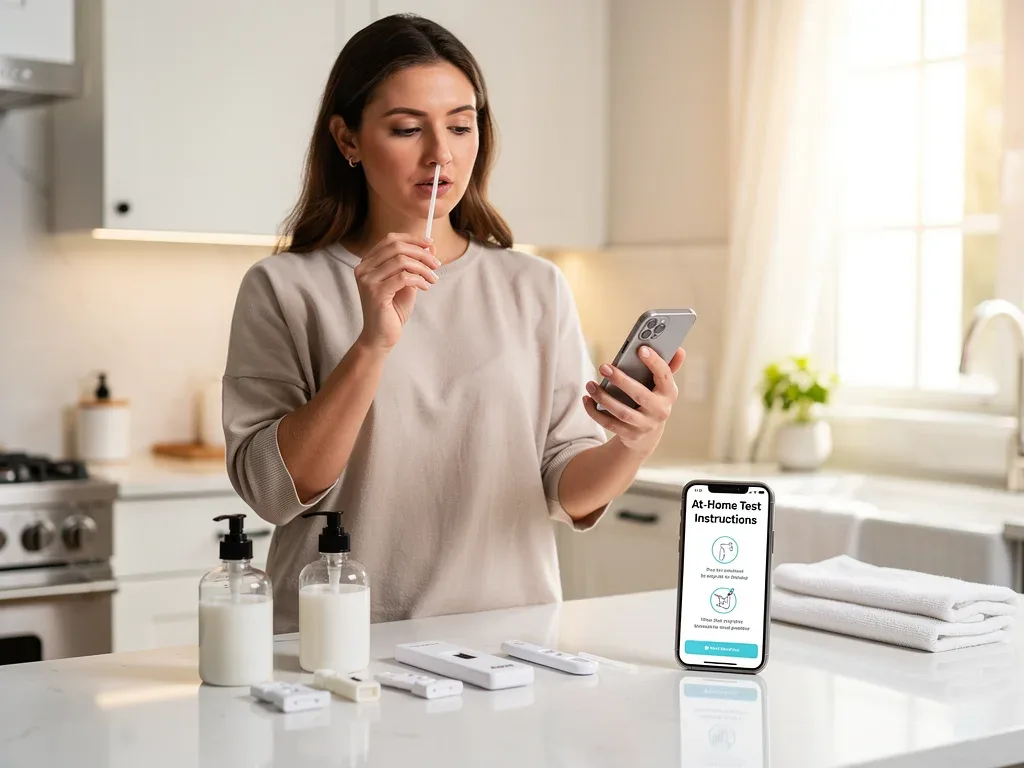
The device operates on a simple principle, utilizing advanced molecular technology to identify viral genetic material from a self-collected nasal swab. Users receive clear, step-by-step instructions to ensure proper sample collection and accurate interpretation of results.
How the Device Works: Simplicity and Speed
The at-home diagnostic process is remarkably straightforward, designed to be intuitive for the average user. After collecting a nasal swab sample, the user inserts it into the device, which then processes the sample using sophisticated biochemical reactions.
Within 30 minutes, the device displays the results on a digital screen, clearly indicating the presence or absence of specific respiratory viruses. This rapid feedback loop is invaluable for making informed health decisions promptly.
Self-collection of nasal swab sample, minimizing discomfort and exposure.
Automated analysis within the device, reducing human error.
Clear digital readout of results for easy interpretation.
Ability to detect multiple common respiratory viruses simultaneously.
The convenience offered by this device cannot be overstated, particularly for vulnerable populations or those with limited access to traditional healthcare facilities. The FDA approves at-home diagnostic tools that prioritize user accessibility.
Impact on Public Health and Healthcare Systems
The FDA approves at-home diagnostic solutions that have significant implications for public health, and this multi-virus device is no exception. It is expected to revolutionize how respiratory disease outbreaks are managed, from individual cases to community-wide surveillance.
By enabling rapid identification of specific viruses, public health officials can gain a clearer, more immediate understanding of disease prevalence and spread. This data is crucial for implementing targeted interventions and resource allocation during peak seasons.
Furthermore, the device could significantly reduce the burden on emergency rooms and urgent care centers, as individuals can test themselves at home instead of seeking immediate clinical evaluation for initial symptom assessment. The FDA approves at-home diagnostic innovations to streamline healthcare access.
Anúncios
Empowering Individuals with Rapid Information
One of the most profound impacts of this approval is the empowerment of individuals to take a more active role in their health management. Knowing which virus is causing symptoms allows for more appropriate self-care or timely consultation with a healthcare provider.
This immediate insight can prevent unnecessary antibiotic use for viral infections and guide decisions on isolation to protect others. The FDA approves at-home diagnostic solutions that foster responsible health behaviors.
Faster identification of specific respiratory viruses.
Informed decisions regarding self-isolation and treatment.
Reduced transmission rates within communities.
Greater peace of mind for individuals experiencing symptoms.
The ability to quickly identify the causative agent of respiratory symptoms can also lead to more effective management of chronic conditions, where viral infections can exacerbate underlying health issues. The FDA approves at-home diagnostic devices for broader health benefits.
Addressing Accuracy and Reliability Concerns
When the FDA approves at-home diagnostic devices, rigorous standards for accuracy and reliability are paramount. This multi-virus screening tool underwent extensive clinical trials to validate its performance against laboratory-based PCR tests, which are considered the gold standard.
The studies demonstrated a high degree of sensitivity and specificity, ensuring that the device can accurately detect the presence of target viruses while minimizing false positives and false negatives. This level of precision instills confidence in its results.
The FDA's thorough review process ensures that the device provides reliable information that users can trust when making important health decisions. The FDA approves at-home diagnostic devices only after they meet these strict criteria.
Ensuring Quality and User Confidence
Maintaining public trust in at-home testing is crucial for widespread adoption and effectiveness. The manufacturer is committed to ongoing post-market surveillance to monitor performance and address any emerging issues.
Clear instructions and accessible customer support will also be provided to users, ensuring they can confidently operate the device and understand their results. The FDA approves at-home diagnostic tools with a focus on user experience and safety.
Validated through comprehensive clinical trials.
High sensitivity and specificity for accurate detection.
Post-market surveillance for continuous quality assurance.
User-friendly design with clear guidance and support.
The transparent validation process and continuous monitoring reinforce the device's credibility, making it a trustworthy option for at-home respiratory screening. The FDA approves at-home diagnostic tools to enhance public trust in medical technology.
Availability and Accessibility for Consumers
Following the FDA's approval, plans are underway to make the 30-minute at-home diagnostic device widely available to consumers across the United States. Distribution channels will include pharmacies, online retailers, and potentially some healthcare providers.
The goal is to ensure broad accessibility, allowing individuals in diverse geographic locations and socioeconomic backgrounds to benefit from this innovative technology. Pricing and insurance coverage details are expected to be announced soon, aiming for affordability.
Efforts are also being made to educate the public on the proper use of the device and the interpretation of its results, ensuring that consumers can maximize its utility. The FDA approves at-home diagnostic tools to improve healthcare equity.
Bridging Gaps in Diagnostic Access
For many, particularly those in rural areas or with limited mobility, accessing testing facilities can be a significant barrier. This at-home device directly addresses these disparities, bringing diagnostic capabilities directly to the user's doorstep.
This enhanced accessibility means that more people will be able to get tested promptly, leading to earlier diagnosis and potentially reducing severe outcomes. The FDA approves at-home diagnostic solutions to democratize healthcare access.
Expected availability in pharmacies and online stores.
Focus on broad accessibility across different demographics.
Public education initiatives for effective use.
Potential for insurance coverage to enhance affordability.
The widespread availability of this multi-virus screening tool is anticipated to play a crucial role in managing future respiratory disease seasons more effectively. The FDA approves at-home diagnostic devices to strengthen national health infrastructure.
Future Implications and Advancements
The approval of the first 30-minute at-home diagnostic device for multi-virus respiratory screening sets a precedent for future innovations in consumer healthcare. This milestone opens the door for the development and approval of more advanced at-home diagnostic tools.
Researchers are already exploring ways to expand the range of pathogens detectable by such devices, including bacteria and other viral agents. The aim is to create even more comprehensive diagnostic solutions for home use.
This advancement also highlights the growing trend towards decentralized healthcare, where technology empowers individuals to manage their health more proactively and independently. The FDA approves at-home diagnostic solutions as part of this evolving landscape.
The Evolution of At-Home Testing
The journey from traditional lab testing to rapid at-home diagnostics has been marked by continuous innovation. This latest approval signifies a major leap, combining speed with multi-pathogen detection in a user-friendly format.
Future iterations may incorporate AI-driven analysis, enhanced connectivity with healthcare providers, and even predictive capabilities based on localized outbreak data. The FDA approves at-home diagnostic devices that represent the cutting edge.
Catalyst for developing more sophisticated at-home diagnostics.
Potential for expanded pathogen detection capabilities.
Integration with telehealth and digital health platforms.
Shift towards proactive, personalized healthcare management.
The success of this device could accelerate regulatory pathways for other innovative at-home medical technologies, fostering a new era of accessible and personalized healthcare. The FDA approves at-home diagnostic devices to drive this progress.
Comparing At-Home vs. Clinical Diagnostics
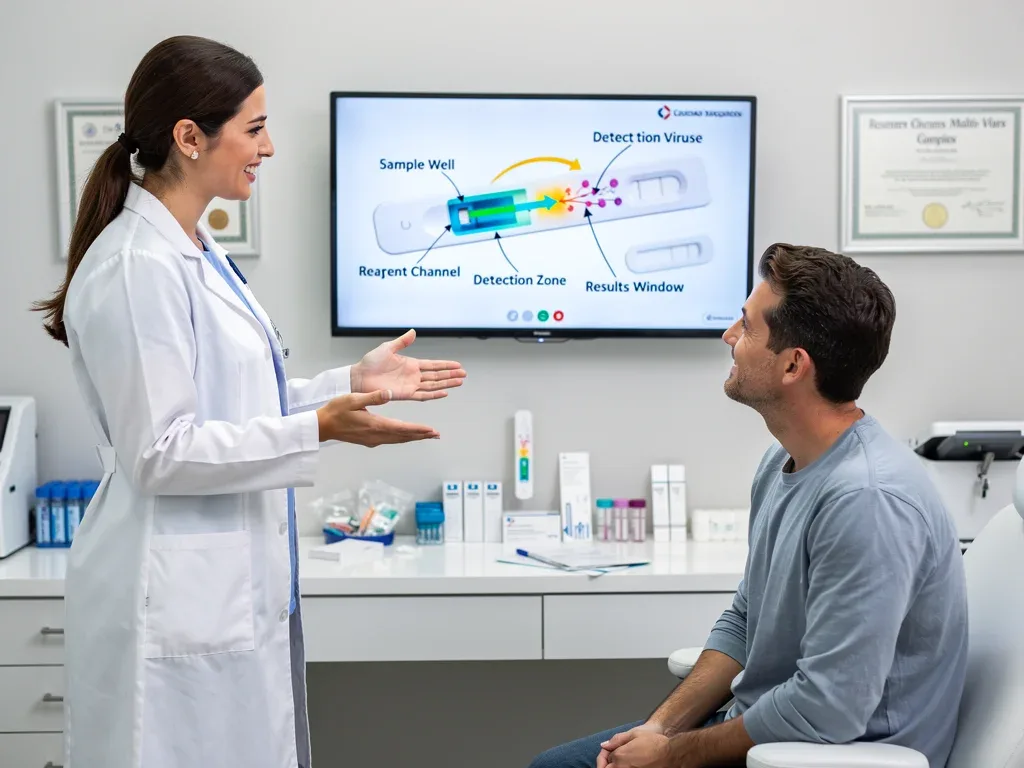
While the FDA approves at-home diagnostic devices like the multi-virus screener for convenience, it’s important to understand their relationship with clinical diagnostics. At-home tests offer rapid preliminary results, which can be crucial for initial decision-making.
Clinical diagnostics, typically performed in laboratories, often provide more detailed analysis and are used for definitive diagnosis, especially in complex cases or when treatment decisions require precise viral load measurements. Both serve distinct yet complementary roles.
The new device is not intended to replace professional medical consultation but rather to serve as a powerful first-line screening tool. It empowers individuals with information that can guide their next steps, whether that's self-care or seeking professional medical advice. The FDA approves at-home diagnostic tools to complement, not supersede, professional care.
When to Rely on At-Home vs. Clinic Tests
At-home tests are ideal for individuals experiencing mild to moderate symptoms who want quick answers without immediate clinic visits. They are particularly useful for screening family members or for initial assessment during widespread outbreaks.
Clinical tests become essential when symptoms are severe, if at-home results are inconclusive, or if the individual has underlying health conditions that require close medical monitoring. The FDA approves at-home diagnostic devices as a first step.
At-home tests: convenient, rapid screening for early detection.
Clinical tests: definitive diagnosis, detailed analysis, and complex case management.
Consult a doctor if symptoms worsen or for medical advice regardless of at-home results.
The devices provide actionable information for personal and public health.
Understanding the strengths and limitations of both at-home and clinical diagnostics ensures optimal use of healthcare resources and effective personal health management. The FDA approves at-home diagnostic solutions to provide a spectrum of testing options.
The FDA approves first 30-minute at-home diagnostic signifies a significant shift in healthcare delivery, emphasizing rapid, accessible diagnostics. Consumers can anticipate the device's widespread availability in the coming months, marking a new era for managing respiratory illnesses.
This advancement will likely spur further innovation in at-home testing, fostering a more proactive and decentralized approach to public health. It's crucial for individuals to stay informed about product availability, usage guidelines, and how this tool integrates with existing healthcare practices to maximize its profound benefits.
Key Point | Brief Description |
|---|---|
FDA Approval | First 30-minute at-home diagnostic device for multi-virus respiratory screening approved. |
Rapid Results | Provides accurate detection of multiple viruses within 30 minutes at home. |
Public Health Impact | Empowers individuals, reduces healthcare burden, and aids outbreak management. |
Accessibility | Expected to be widely available through pharmacies and online channels. |
Frequently Asked Questions About At-Home Multi-Virus Testing
What viruses can the new at-home diagnostic device detect?▼
The newly approved device is capable of detecting multiple common respiratory viruses. While specific pathogens typically include influenza A and B, and RSV, users should always refer to the product's official labeling for the complete list of detectable viruses, ensuring accurate understanding of its capabilities for multi-virus respiratory screening.
How accurate is the 30-minute at-home diagnostic device?▼
The device underwent extensive clinical trials and met stringent FDA standards for accuracy, demonstrating high sensitivity and specificity. While designed for reliable at-home use, it is important to remember that all diagnostic tests have limitations. Users should follow instructions carefully for optimal performance and consult a healthcare provider if symptoms persist or worsen.
Will insurance cover the cost of the at-home multi-virus test?▼
Coverage for at-home diagnostic tests can vary significantly by insurance provider and plan. While some insurers may cover the cost, particularly given the public health benefits of rapid screening, it is advisable to check directly with your insurance company for specific details regarding reimbursement for this new at-home diagnostic device.
Is a prescription required to purchase this at-home diagnostic device?▼
The FDA approval specifies whether a device is available over-the-counter (OTC) or requires a prescription. For this first 30-minute at-home diagnostic device for multi-virus respiratory screening, consumers should check the official product information upon release to determine if it is available without a prescription, ensuring easy access for all.
What should I do after getting a positive result from the at-home test?▼
A positive result from the at-home multi-virus diagnostic device indicates the presence of a specific respiratory virus. It is recommended to contact your healthcare provider to discuss your symptoms, confirm the diagnosis, and receive guidance on treatment and isolation protocols. This ensures appropriate medical management and helps prevent further spread within the community.
What Happens Now
The approval of the FDA approves first 30-minute at-home diagnostic signifies a significant shift in healthcare delivery, emphasizing rapid, accessible diagnostics. Consumers can anticipate the device's widespread availability in the coming months, marking a new era for managing respiratory illnesses.
This advancement will likely spur further innovation in at-home testing, fostering a more proactive and decentralized approach to public health.
It's crucial for individuals to stay informed about product availability, usage guidelines, and how this tool integrates with existing healthcare practices to maximize its profound benefits.