DOE Announces $450 Million Grant for National Electric Grid Modernization
Anúncios
Imagine a power grid so resilient that severe weather and peak energy demands never flicker your lights. With the U.S. Department of Energy announcing a new $450 million Modernization Grant for the National Electric Grid, that future is moving significantly closer to reality.
This massive federal funding injection is designed to fortify critical energy infrastructure against extreme climate events and evolving cyber threats. By integrating smart grid monitoring and high-efficiency distribution systems, the initiative aims to prevent widespread outages before they start.
Upgrading aging transmission networks is vital to supporting clean energy transitions and growing nationwide demand. Here is a closer look at where these funds are heading and how they will shape power reliability in your community.
Understanding the $450 Million Grid Modernization Grant
The Department of Energy's announcement of a $450 million modernization grant represents a critical step towards upgrading America's aging electric grid infrastructure.
This funding is part of a broader federal strategy to enhance energy security and accelerate the transition to clean energy sources. The grant will support projects designed to improve grid resilience, integrate renewable energy, and deploy advanced grid technologies.
Anúncios
This investment is crucial given the increasing frequency of extreme weather events and the growing threat of cyberattacks, both of which pose significant risks to the nation's power supply.
The Department of Energy is prioritizing projects that demonstrate innovative approaches to grid management and offer scalable solutions for widespread implementation. The goal is to create a more reliable and adaptable electric grid for all Americans.
According to official statements, the grant recipients will focus on initiatives that strengthen grid infrastructure, including upgrading transmission lines, enhancing substation security, and implementing smart grid technologies.
These efforts are expected to create jobs, stimulate economic growth, and ensure a stable energy supply. The Department of Energy emphasizes transparency and accountability in the allocation and utilization of these funds.
Key Objectives of the Grant Program
The grant program, as outlined by the Department of Energy, has several overarching objectives designed to transform the national electric grid.
These objectives include bolstering the physical security of infrastructure, improving operational efficiency through digital solutions, and facilitating the integration of diverse energy sources. Each objective is meticulously planned to contribute to a more resilient and sustainable energy ecosystem.
Furthermore, a significant aim is to reduce the frequency and duration of power outages, which have substantial economic and social costs.
Anúncios
By investing in preventative measures and rapid response capabilities, the Department of Energy seeks to minimize disruptions. This proactive stance is essential for maintaining public trust and ensuring consistent energy access for homes and businesses.
Enhancing grid resilience against natural disasters and cyber threats.
Integrating renewable energy sources like solar and wind power more effectively.
Deploying advanced sensors and control systems for smarter grid management.
Improving overall energy efficiency and reducing transmission losses.
The Department of Energy's commitment extends to fostering collaboration between federal agencies, state governments, and private sector entities. This partnership approach is vital for leveraging diverse expertise and resources to achieve the ambitious goals set forth by the grant.
The modernization efforts are not just about technology; they are about building a collaborative framework for the future of energy.
The Urgency for Electric Grid Modernization
The national electric grid faces unprecedented challenges, making the Department of Energy's modernization grant not just beneficial, but urgent. Aging infrastructure, built decades ago, is struggling to meet the demands of a modern economy and a changing climate. The need for significant investment has become increasingly apparent as the grid experiences more frequent and severe disruptions.
Recent blackouts and brownouts across various regions of the United States have highlighted the grid's vulnerabilities, impacting millions of citizens and costing billions in economic losses.
These incidents underscore the critical need for a more robust and adaptable system. The Department of Energy recognizes that inaction is no longer an option, hence the substantial funding allocation.
Moreover, the push for decarbonization and the integration of intermittent renewable energy sources necessitate a smarter, more flexible grid. Traditional grid designs were not optimized for the two-way flow of electricity or the variability associated with renewables.
This grant provides the necessary capital to upgrade the infrastructure to accommodate these transformative changes, ensuring energy reliability during the transition.
Addressing Climate Resilience and Cyber Threats
A significant portion of the Department of Energy's modernization efforts will focus on enhancing the grid's resilience against the impacts of climate change. This includes hardening infrastructure to withstand severe weather events such as hurricanes, wildfires, and extreme temperatures.
Investing in undergrounding power lines, reinforcing poles, and deploying advanced monitoring systems are key strategies.
Equally critical is the defense against sophisticated cyberattacks, which pose an existential threat to grid operations. The grant will fund projects that implement cutting-edge cybersecurity measures, including intrusion detection systems, secure communication protocols, and robust incident response plans. Protecting the grid from digital adversaries is paramount to national security.
Implementing advanced weather forecasting and impact modeling for proactive measures.
Developing self-healing grid technologies that automatically detect and isolate faults.
Enhancing physical security at substations and critical energy facilities.
Training a skilled workforce capable of managing and defending modern grid systems.
The Department of Energy is committed to supporting projects that adopt a holistic approach to resilience, integrating both physical and cyber protections.
This comprehensive strategy ensures that the electric grid is prepared for a diverse range of threats. The future of energy security depends on these integrated defense mechanisms.
The modernization efforts also extend to improving the grid's operational flexibility, allowing it to adapt quickly to changing energy demands and supply dynamics.
This includes deploying energy storage solutions and demand-side management programs. These technologies provide critical buffers against fluctuations and enhance overall system stability.
The Role of Technology in Grid Transformation
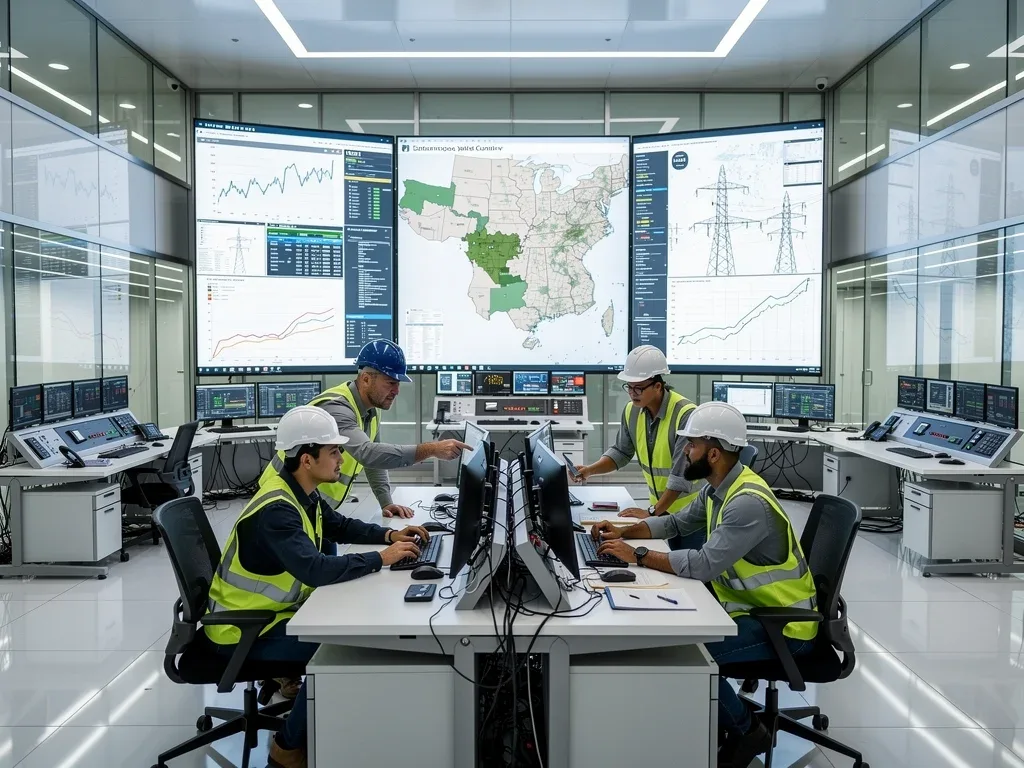
The Department of Energy's $450 million grant is fundamentally about leveraging cutting-edge technology to transform the national electric grid.
This includes the deployment of smart grid components, advanced sensing capabilities, and sophisticated data analytics. These technologies are essential for creating a more responsive, efficient, and secure energy infrastructure.
Smart grid technologies enable real-time monitoring and control of electricity flow, allowing utilities to optimize performance and prevent outages more effectively. Sensors placed throughout the grid can detect anomalies and predict potential failures, enabling proactive maintenance and rapid response. This shift from reactive to predictive management is a cornerstone of the modernization initiative.
Furthermore, the integration of artificial intelligence and machine learning algorithms will enhance the grid's ability to self-heal and adapt to dynamic conditions.
These intelligent systems can analyze vast amounts of data to identify patterns, optimize energy distribution, and even anticipate future energy needs. The Department of Energy is championing projects that demonstrate the highest levels of technological innovation.
Smart Grid Deployment and Data Analytics
The grant will heavily support the widespread deployment of smart meters, advanced distribution management systems, and phasor measurement units. These tools provide unprecedented visibility into grid operations, enabling precise control and fault detection.
The data collected from these devices will be instrumental in making informed decisions about grid management and investment.
Data analytics will play a crucial role in transforming raw grid data into actionable insights. Utilities will be able to identify inefficiencies, forecast demand more accurately, and optimize the integration of renewable energy sources. This data-driven approach is key to unlocking the full potential of a modernized electric grid.
Real-time monitoring and control systems for enhanced operational awareness.
Predictive analytics to anticipate equipment failures and optimize maintenance schedules.
Cyber-physical security solutions to protect critical grid control systems.
Advanced metering infrastructure (AMI) for improved billing accuracy and demand response.
The Department of Energy is encouraging projects that not only implement these technologies but also develop innovative ways to utilize the resulting data.
This includes creating open data platforms and fostering collaboration among researchers and industry experts. The goal is to build a learning grid that continuously improves its performance and resilience.
Economic and Environmental Impact
The Department of Energy Announces $450 Million Modernization Grant for the National Electric Grid, an investment that carries significant economic and environmental implications for the United States.
Economically, the grant is expected to create thousands of jobs in engineering, construction, and technology sectors. These jobs will support local economies and foster innovation in the energy industry.
The modernization efforts will also reduce the economic burden of power outages, which cost businesses and consumers billions of dollars annually.
A more reliable grid means less downtime for industries, fewer spoiled goods for businesses, and greater stability for households. This economic benefit extends to enhanced competitiveness for American industries on a global scale.
Environmentally, the grant will accelerate the integration of clean energy sources, contributing to the nation's climate goals. By upgrading transmission infrastructure and implementing smart grid solutions, more renewable energy can be efficiently delivered to consumers. This reduces reliance on fossil fuels and lowers greenhouse gas emissions, fostering a cleaner energy future.
Job Creation and Energy Efficiency Gains
The grant will stimulate job creation across various skill levels, from skilled tradespeople installing new equipment to highly specialized engineers designing advanced grid systems.
This workforce development is critical for building a sustainable energy sector and ensuring that the United States remains a leader in energy innovation. The Department of Energy is committed to fostering a diverse and inclusive workforce.
Furthermore, the modernization efforts will lead to significant gains in energy efficiency. Upgraded transmission lines will reduce energy losses during transmission, while smart grid technologies will enable better demand management. These efficiencies translate into lower energy bills for consumers and a more sustainable use of natural resources.
Stimulating local economies through infrastructure development projects.
Creating a skilled workforce for the clean energy transition.
Reducing carbon emissions by enabling greater renewable energy integration.
Lowering energy costs for consumers through improved efficiency.
The Department of Energy recognizes that these investments are not just about upgrading infrastructure but about building a foundation for a prosperous and sustainable future. The economic and environmental benefits are intertwined, creating a synergistic effect that benefits all Americans. This grant represents a holistic approach to energy policy.
Implementation Challenges and Opportunities
While the Department of Energy Announces $450 Million Modernization Grant for the National Electric Grid presents immense opportunities, it also comes with inherent implementation challenges.
Coordinating projects across diverse geographical regions and involving multiple stakeholders will require robust planning and communication. Navigating regulatory hurdles and securing necessary permits can also prolong project timelines.
One significant challenge lies in integrating new technologies with existing legacy infrastructure without causing disruptions to current power supply. This requires careful phasing and meticulous execution to ensure a seamless transition. The Department of Energy is working closely with utilities and state regulators to streamline these processes and mitigate potential risks.
However, these challenges also present opportunities for innovation and collaboration. The grant encourages creative solutions to complex problems, fostering a dynamic environment for technological advancement. By addressing these hurdles head-on, the United States can emerge with a more resilient, efficient, and future-ready electric grid.
Overcoming Regulatory and Technical Hurdles
Regulatory frameworks, often designed for a traditional grid, need to adapt to accommodate the rapid pace of technological change and the integration of new energy sources.
The Department of Energy is engaging with state public utility commissions to harmonize regulations and facilitate the deployment of advanced grid solutions. This collaborative approach is essential for successful implementation.
Technically, ensuring interoperability between different systems and platforms is a complex undertaking. The grant will support the development of open standards and protocols to prevent vendor lock-in and promote a competitive market for grid technologies. This focus on open architecture will accelerate innovation and reduce overall project costs.
Streamlining permitting processes to expedite project development.
Fostering public-private partnerships to leverage diverse expertise and resources.
Developing standardized technical specifications for grid components.
Investing in research and development to address unforeseen technical obstacles.
The Department of Energy is committed to providing technical assistance and guidance to grant recipients, helping them navigate these challenges effectively. This support ensures that projects are executed efficiently and achieve their intended outcomes. The success of this modernization effort hinges on overcoming these hurdles strategically.
Regional Impact and Future Outlook
The Department of Energy Announces $450 Million Modernization Grant will have a varied but significant regional impact across the United States. Different regions face unique challenges, from aging infrastructure in the Northeast to extreme weather events in the South and West. The grant aims to address these specific needs through tailored projects.
For instance, areas prone to hurricanes may focus on hardening coastal infrastructure, while regions susceptible to wildfires might prioritize undergrounding power lines and advanced vegetation management.
The flexibility of the grant allows states and utilities to propose projects that are most relevant to their local conditions and vulnerabilities. This localized approach maximizes the effectiveness of the investment.
Looking ahead, the successful implementation of these modernization projects will set a precedent for future federal investments in energy infrastructure.
It is anticipated that a more resilient and interconnected grid will foster economic development and enhance the quality of life in communities nationwide. The Department of Energy envisions a future where energy is reliable, affordable, and sustainable for all.
Anticipated Benefits for Specific Regions
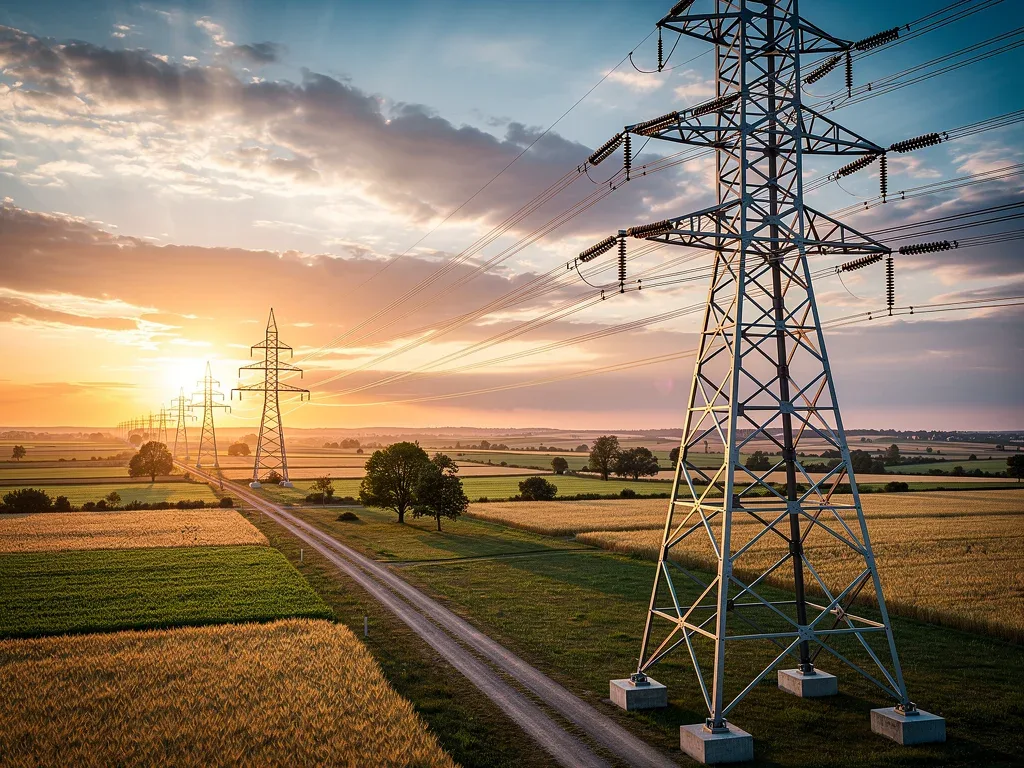
In the Northeast, where much of the grid infrastructure is over a century old, the grant will support extensive upgrades to transmission and distribution lines, reducing the frequency of outages during winter storms.
Midwestern states can expect investments in smart grid technologies to better integrate wind power and manage agricultural demand. The Western states will see enhanced wildfire prevention measures and improved grid resilience against heatwaves.
The South, frequently hit by hurricanes, will benefit from projects focused on hardening infrastructure against high winds and flooding. These regionalized efforts ensure that the grant addresses the most pressing energy challenges in each part of the country. The Department of Energy is committed to equitable distribution of benefits.
Reduced power outages and improved reliability in storm-prone areas.
Enhanced integration of local renewable energy resources.
Improved energy security for critical infrastructure and military bases.
Greater access to clean and affordable energy for underserved communities.
The long-term outlook is one of a transformed electric grid, capable of supporting a dynamic and decarbonized energy system.
This modernization is not a one-time event but an ongoing process that will require continuous investment and innovation. The Department of Energy's grant is a foundational step in this journey, paving the way for a more secure and sustainable energy future for the United States.
Key Aspect | Description |
|---|---|
Grant Amount | $450 Million allocated by the Department of Energy. |
Primary Goal | Modernize the national electric grid for enhanced resilience and reliability. |
Key Focus Areas | Infrastructure upgrades, renewable integration, smart grid technologies. |
Anticipated Impact | Job creation, reduced outages, cleaner energy, economic benefits. |
Frequently Asked Questions About Grid Modernization
What is the main purpose of the $450 million grant?▼
The primary purpose of the Department of Energy's $450 million grant is to modernize the national electric grid. This aims to enhance its resilience against various threats, improve reliability for consumers, and facilitate the integration of cleaner energy sources across the United States.
How will this grant impact energy consumers?▼
Energy consumers can expect increased grid reliability, leading to fewer and shorter power outages. The modernization efforts should also contribute to more stable energy prices and potentially lower bills through improved efficiency and greater integration of cost-effective renewable energy.
What types of projects will this funding support?▼
The funding will support a wide range of projects, including upgrading aging transmission and distribution lines, deploying smart grid technologies like advanced sensors and controls, enhancing cybersecurity measures, and integrating renewable energy sources more effectively into the national electric grid.
When can we expect to see the results of these investments?▼
While some immediate improvements may be observed, the full impact of these modernization efforts will unfold over several years. Grid upgrades are complex, and projects will be implemented in phases, with ongoing monitoring and evaluation by the Department of Energy.
How does this grant contribute to clean energy goals?▼
By modernizing the electric grid, the grant enables better integration of intermittent renewable energy sources like solar and wind power. This improved infrastructure is crucial for reducing reliance on fossil fuels and achieving national clean energy and climate objectives, supporting a sustainable energy future.
Looking Ahead: Securing America's Energy Future
The Department of Energy Announces $450 Million Modernization Grant for the National Electric Grid, setting a crucial precedent for future energy policy. This investment signals a clear commitment to fortifying the nation's energy backbone against evolving threats and demands. What happens now involves meticulous project execution, vigilant oversight, and continued collaboration across all levels of government and industry. The long-term implications point towards a more resilient, sustainable, and technologically advanced electric grid, essential for America's economic prosperity and national security in the decades to come.